Hanok Shadows — Seoul
Hanok Shadows — Seoul
Bukchon & Jeonju, 2024–2025
The geometry of tradition. Wooden frames cast their stories in light and shadow, marking the hours like a sundial.
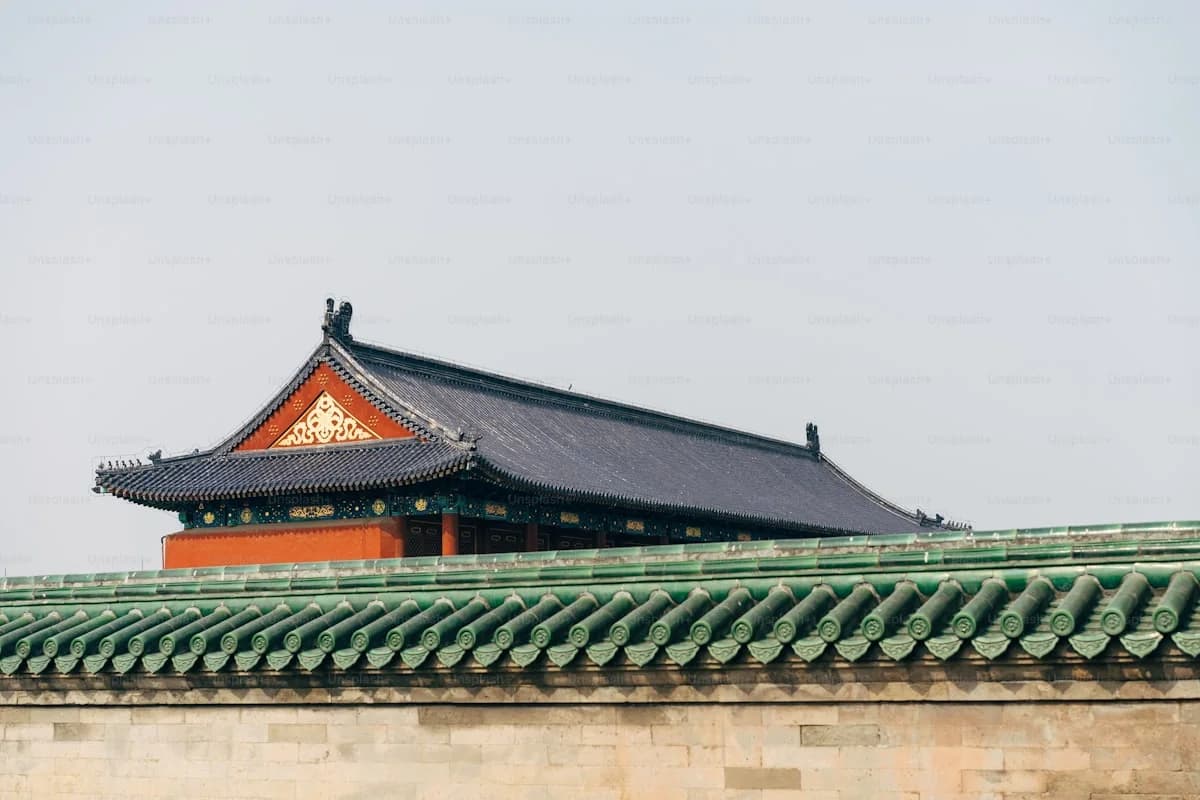
Bukchon Hanok Village, afternoon light through wooden lattice
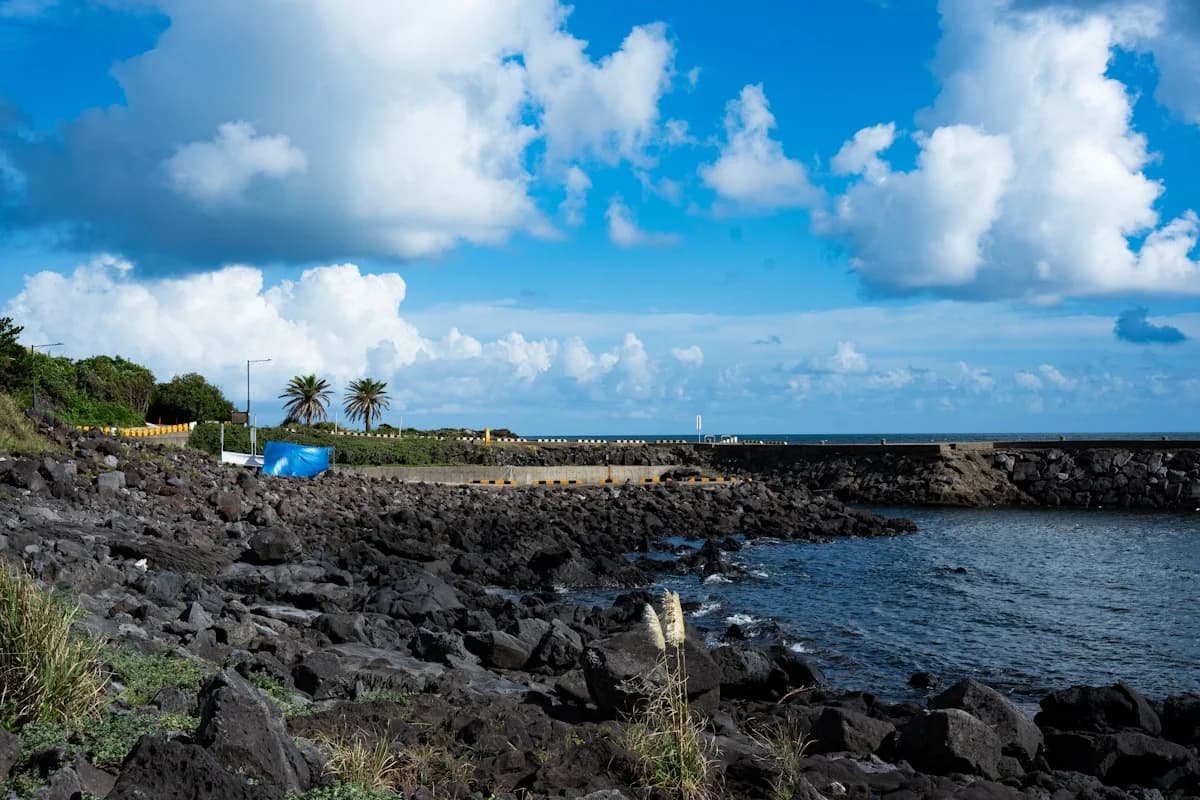
Courtyard at midday, Jeonju Hanok Village — the shadow of the eaves bisects the stone
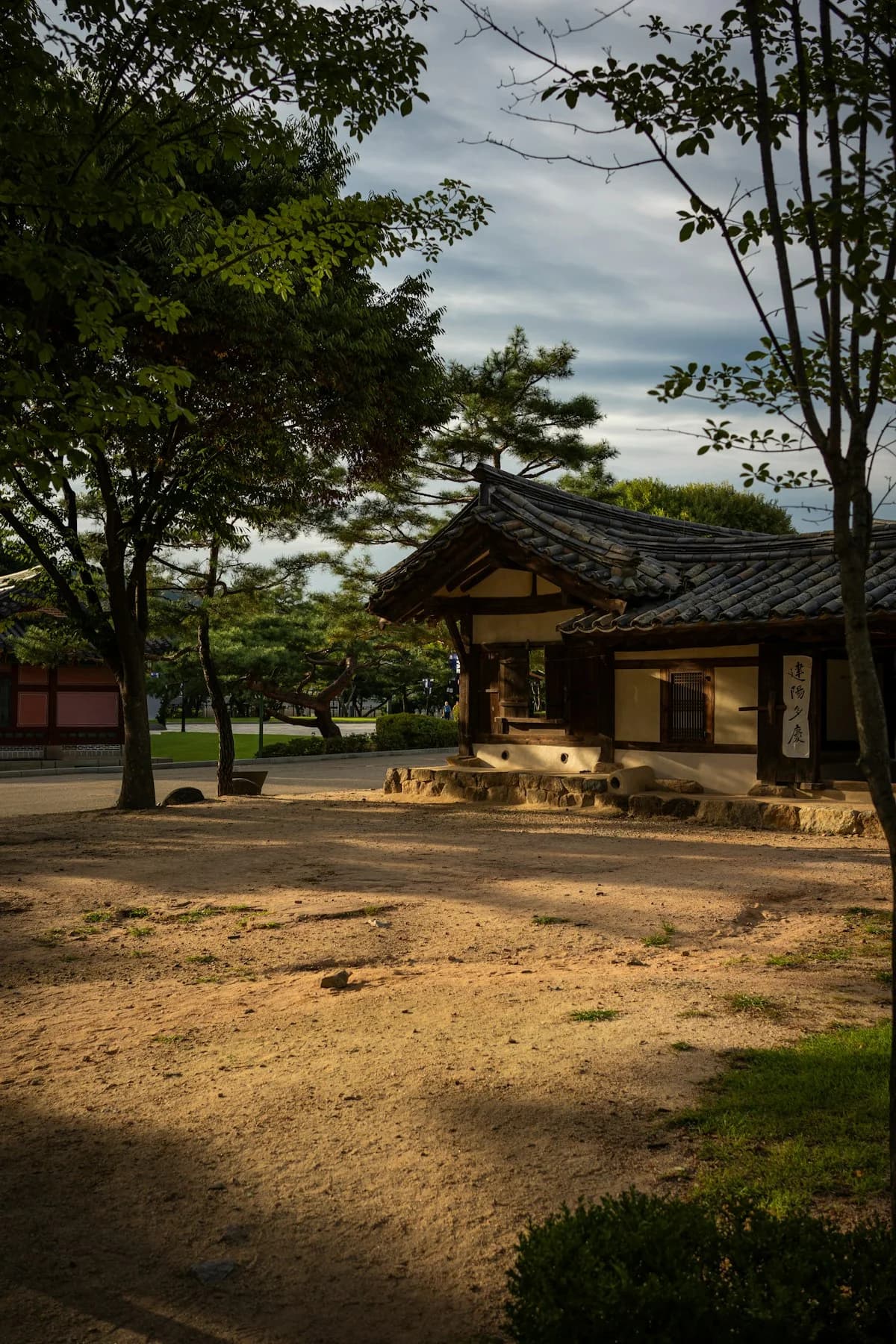
Paper screen interior, Bukchon — light diffused through hanji, early morning
Roof tile geometry, Gyeongbokgung vicinity — the curve repeating into distance
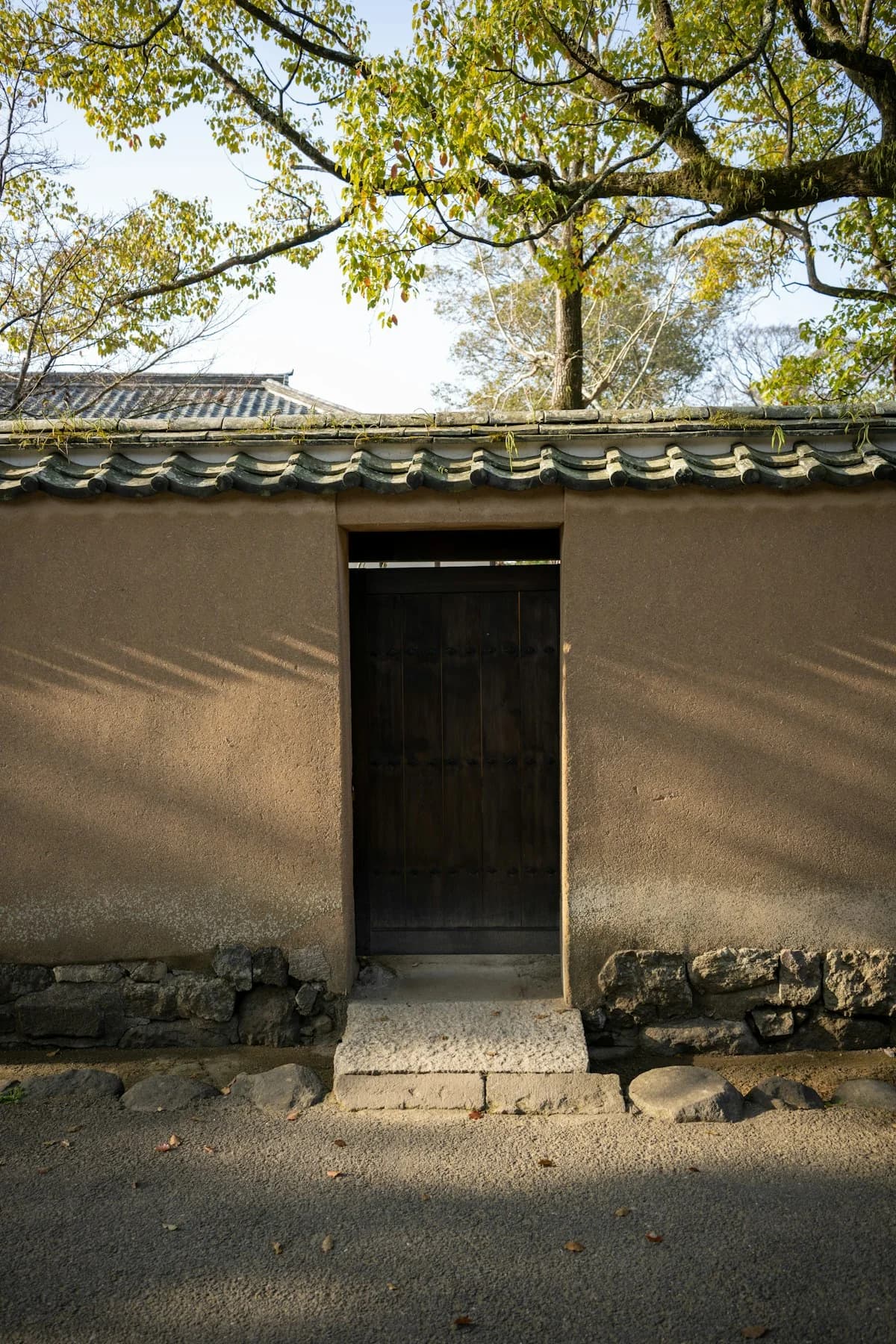
Wooden beam joinery, Jeonju — no nails, only patience and precision
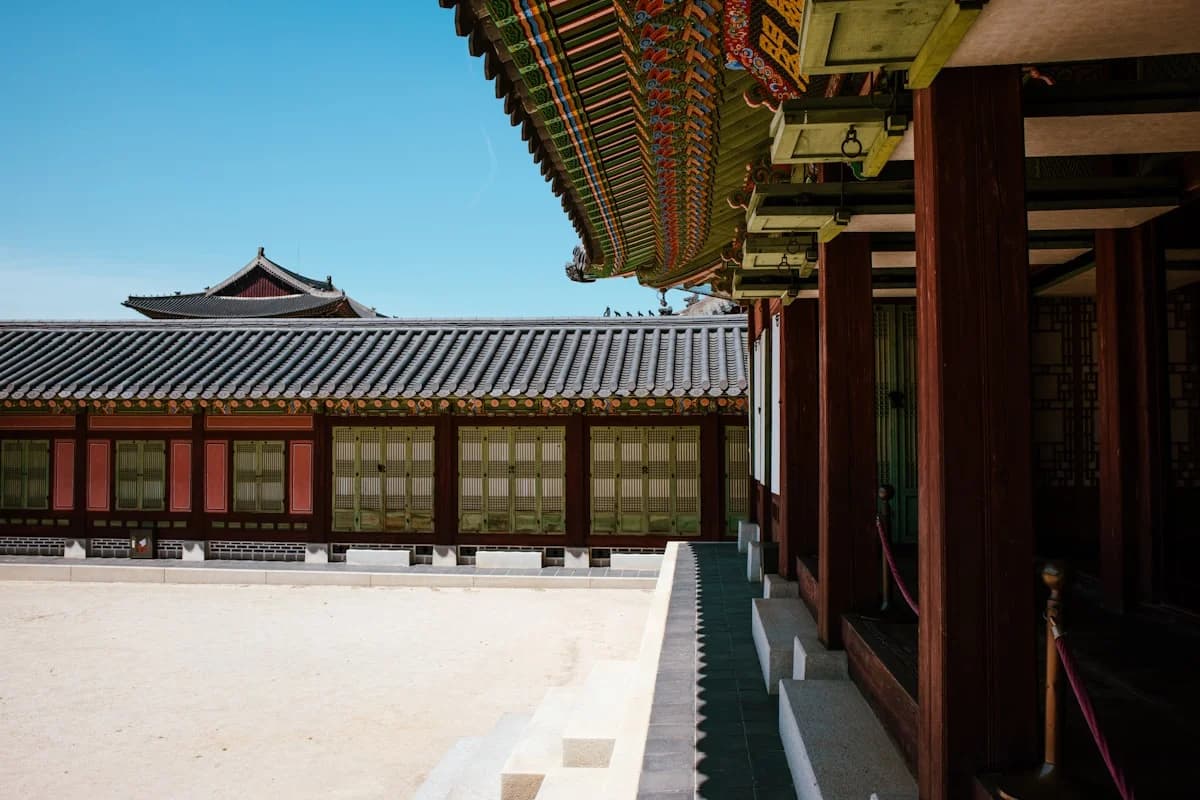
Golden hour through the madang, Bukchon — the courtyard becomes a clock
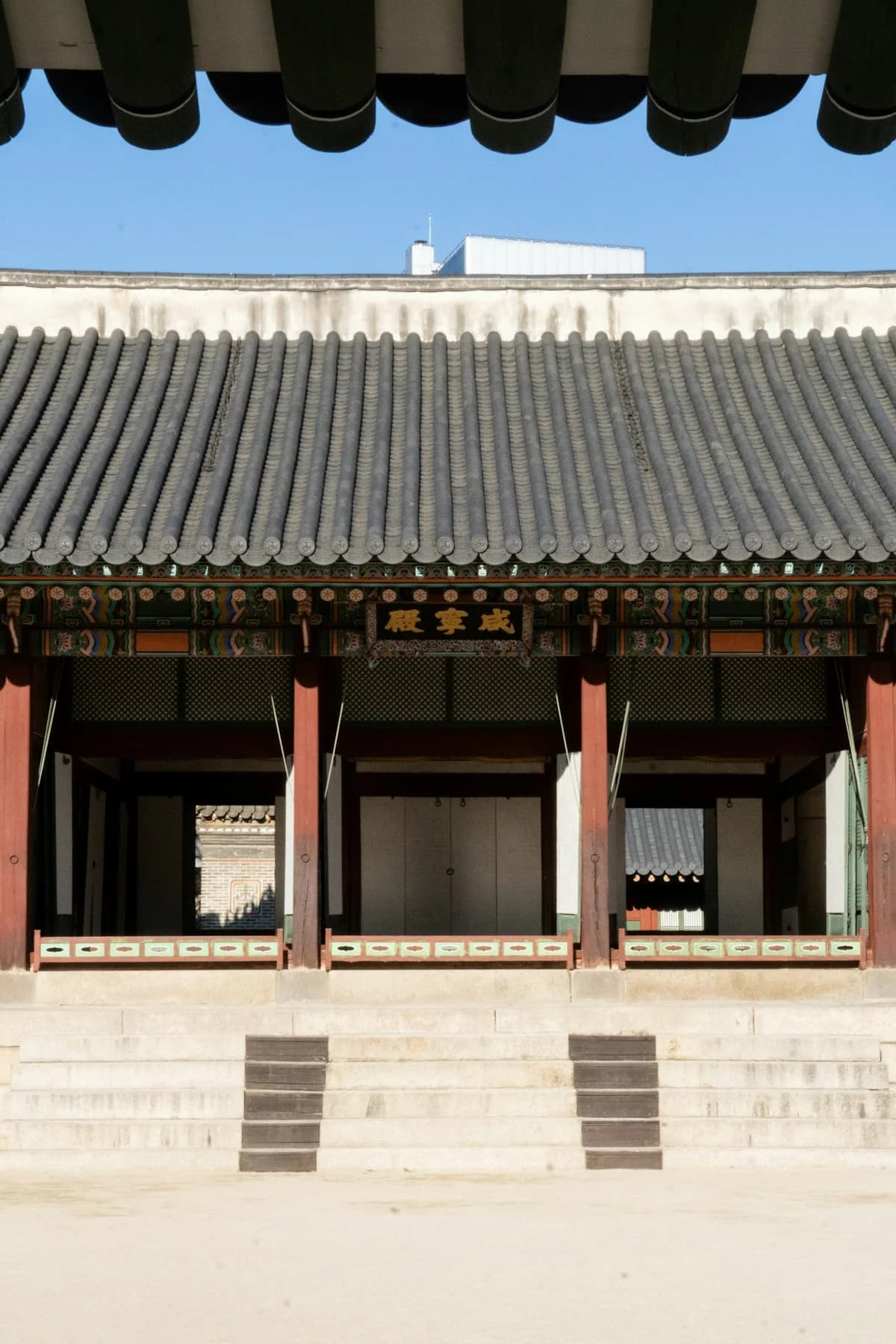
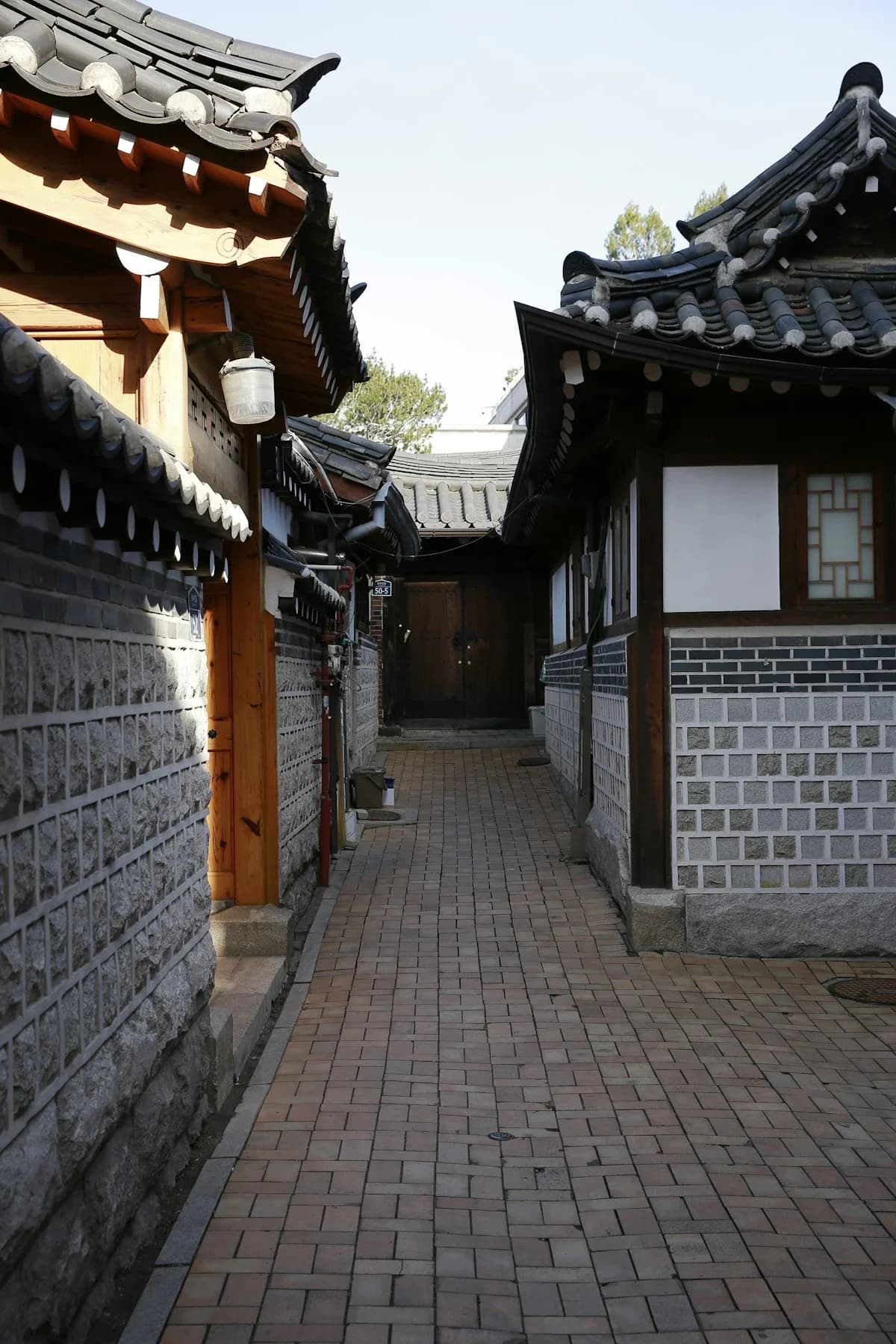
Corridor shadow play, late afternoon — the frame within the frame
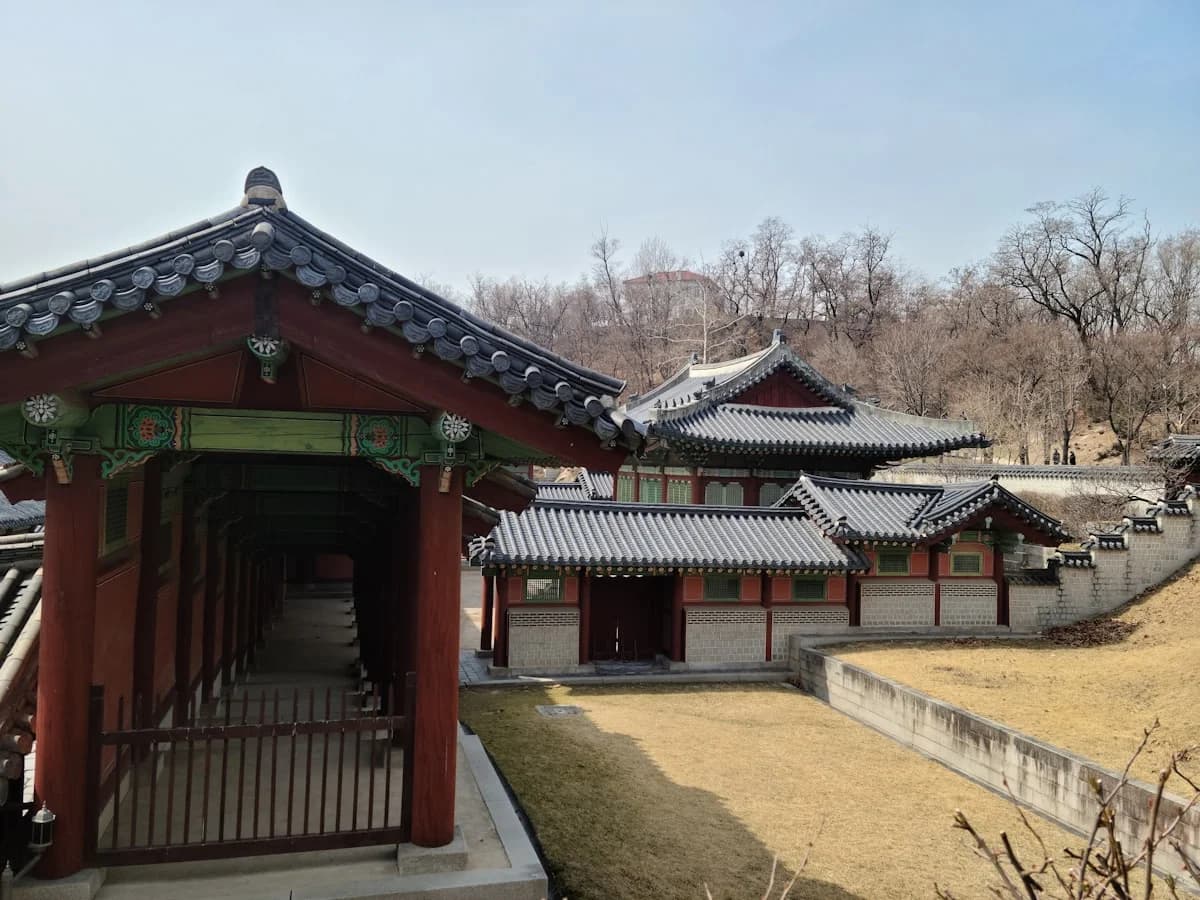
Dawn at a restored hanok guesthouse, Bukchon — silence held in wood and paper
Artist's Statement
I first encountered hanok architecture through its shadows. Walking the narrow lanes of Bukchon on a November afternoon, I noticed how the wooden lattice of a window cast a perfect grid across the courtyard stones — a grid that shifted, stretched, and dissolved as the sun moved. It was architecture performing time, and I understood immediately that this was what I needed to photograph: not the buildings themselves, but the conversation between their rigid geometry and the fluid, impermanent light that passes through them.
What struck me most was the mathematical precision of hanok proportions. Every measurement in traditional Korean architecture derives from the kan, a modular unit based on the space between columns. The result is a kind of built rhythm — proportions that repeat and nest within each other like a visual fugue. When light enters these spaces, it inherits that rhythm. Shadows become structured. The play of light on a paper screen is not random; it is composed by centuries of architectural thinking.
Over fourteen months between Bukchon and Jeonju, I returned to the same hanok at different hours, different seasons, watching the shadows migrate across floors and walls like slow-motion calligraphy. The series became less about preservation — though that urgency is real — and more about attention. The hanok rewards those who stay long enough to see what the light reveals. Each frame in this series is an argument for slowness, for the kind of seeing that only patience makes possible.
A hanok is a frame for light the way a camera is a frame for seeing. Both exclude in order to reveal. The wooden lattice of a traditional window does not block the view — it organizes it, gives it proportion and rhythm. Every photograph in this series is a frame within a frame within a frame: the camera's rectangle holding the window's grid holding the shadow's geometry. Architecture and photography share this essential act — the deliberate limitation of vision that paradoxically deepens it.
The window does not frame the garden. The garden frames itself through the window.
