On Shooting Film in a Digital World
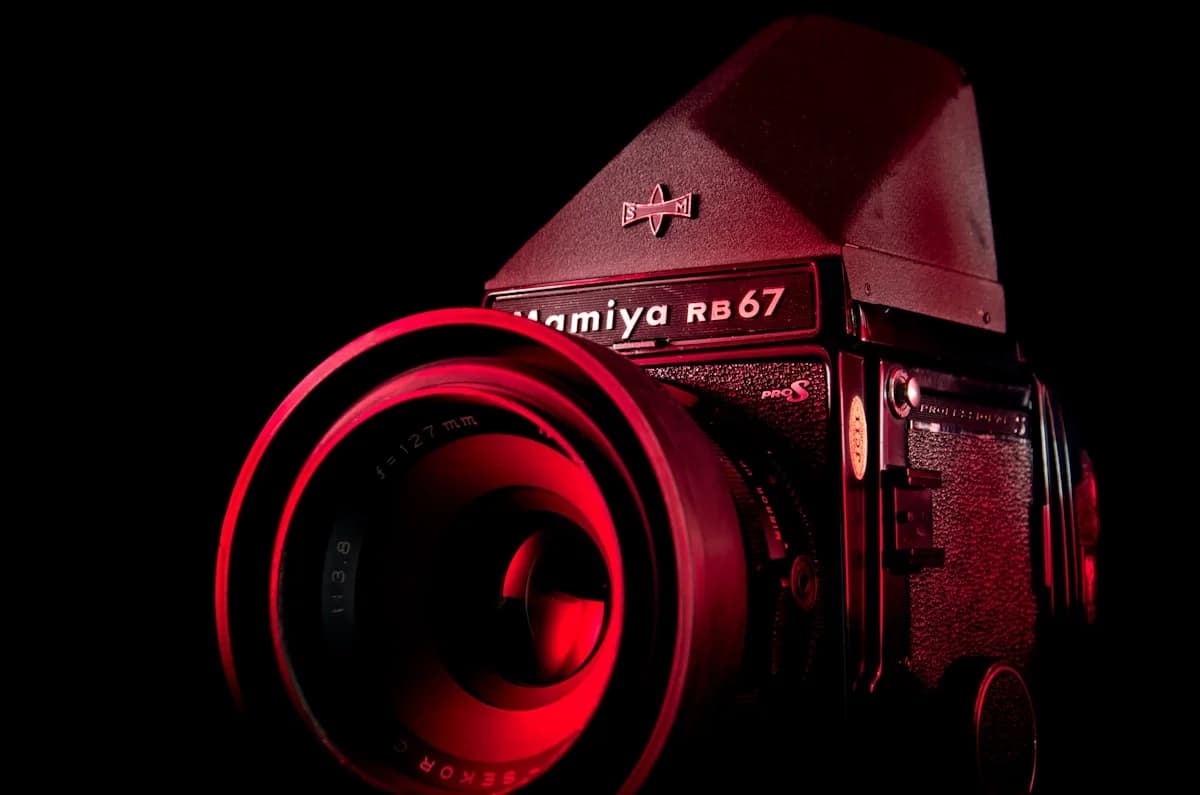
The Mamiya RB67 — heavy, deliberate, unforgiving.
There is a particular sound a film advance lever makes — a mechanical ratcheting that has no equivalent in the digital world. It is the sound of commitment. Every frame costs something: money, yes, but also intention. When you have thirty-six exposures instead of thirty-six thousand, you learn to see differently. You learn to wait. You learn that the best photograph is sometimes the one you chose not to take.
I came to film late, which is to say I came to it honestly. I spent years shooting digital, building a library of tens of thousands of images, and feeling increasingly hollow about the process. The camera had become a machine gun — spray and pray, sort later, delete most. Somewhere in that abundance, I had lost the thing that drew me to photography in the first place: the act of seeing.
My first roll of Portra 400 changed something fundamental. I loaded it into a borrowed Contax T2 on a Tuesday afternoon in November, and I didn't finish the roll until the following Sunday. Thirty-six frames across five days. Each one considered. Each one a small negotiation between what I saw and what I thought was worth preserving. When the scans came back from the lab two weeks later, I sat with them for an hour. Twenty-eight usable frames. Eleven that I loved. A hit rate that would have been impossible with my digital workflow — not because I had suddenly become a better photographer, but because I had become a more present one.
The constraint is the point. Film doesn't make you a better photographer. It makes you a more deliberate one. And deliberation, I've found, is the difference between taking pictures and making photographs.
The darkroom is where I understood this most deeply. There is nothing quite like watching an image emerge in the developer tray — the slow revelation of silver halide crystals surrendering their latent image to chemistry and time. You cannot rush it. You cannot undo it. You stand in red-amber light with wet hands and the faint smell of fixer, and you are entirely in the present moment. No notifications, no histogram, no chimping at the back of a screen. Just you and the image becoming itself.
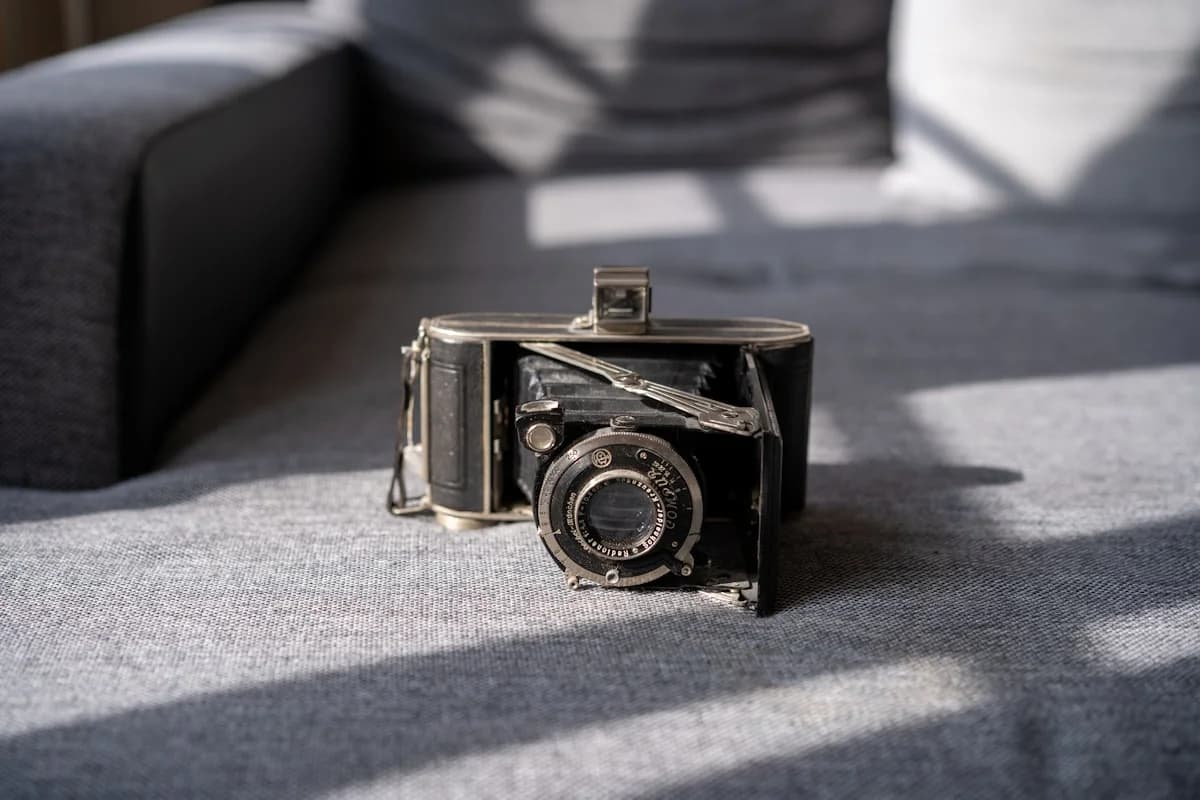
Contact sheets drying in the darkroom. Each frame a decision preserved in silver.
"The camera is an instrument that teaches people how to see without a camera." — Dorothea Lange
People ask about the cost, and it is real. A roll of Portra runs about fourteen dollars now. Development and scanning adds another fifteen to twenty. That is nearly a dollar per frame. I shoot perhaps eight to ten rolls a month. The math is not trivial. But I have come to think of it differently — not as an expense, but as a filter. The cost forces economy, and economy forces vision. Every dollar spent on film is a dollar invested in attention.
I still shoot digital for client work. I am not a purist, and I have no interest in being one. But when I pick up the Mamiya on a weekend morning, load a roll of HP5, and walk out into whatever light the day offers, I am practicing something that digital cannot give me. I am practicing the art of enough. I am learning, frame by frame, that limitation is not the enemy of creativity — it is its oldest and most reliable companion.
